Whole-Home Power on One 12kW Inverter, With Room to Grow
Lite ₦8.5M · Pro ₦10.7M · Max ₦11.8M
Compare every 12kVA system and priceOr pay ₦4,272,000 down, then 6 monthly payments of ₦840,000 (lease-to-own).
- Free site survey
- Written quotation
- Jinko panels + lithium battery
- Installed and monitored
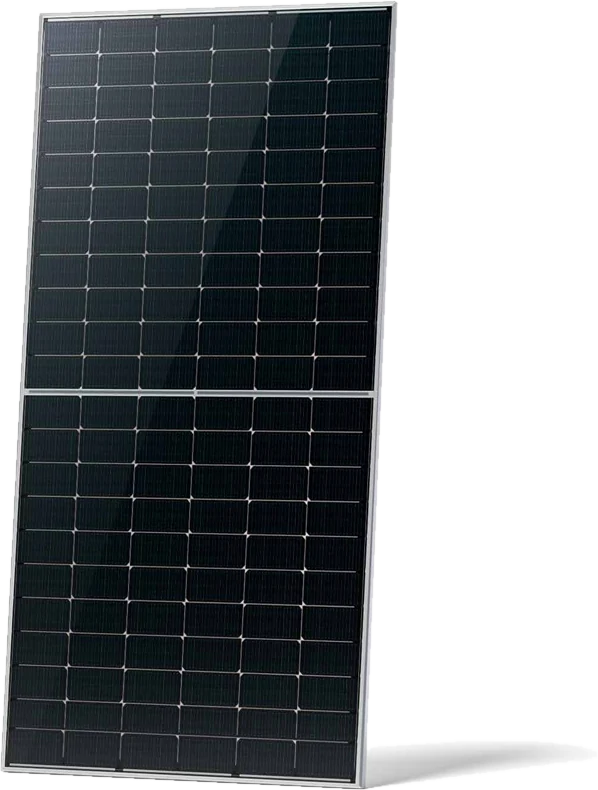
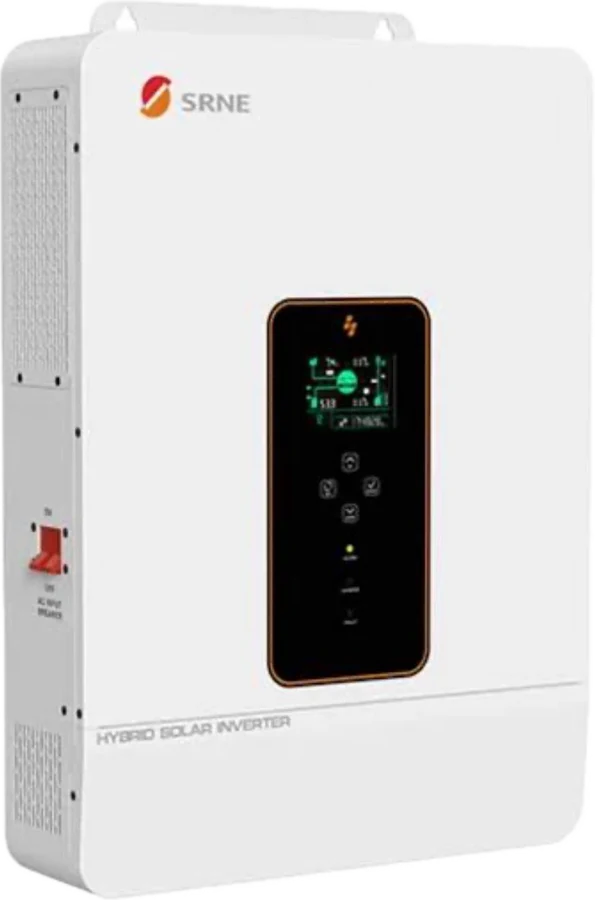
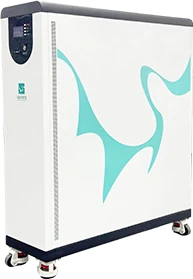 24 panels1 × 12kW1 × 30kWh
Watch a Day on This System
The 12kVA in 3D, hour by hour, with NEPA off all day. Watch the sun charge the battery, the battery carry the night, and see when, if ever, the generator has to start. Switch between a home and a business to see the load each one puts on it and what the same day would cost on diesel, or pick a kind of day to see how it copes when the sun is weak.
Three ways to buy the InfraSol 12kVA
Lite is the cheapest way in. Pro adds battery. Max adds panels. You can add panels and battery later.
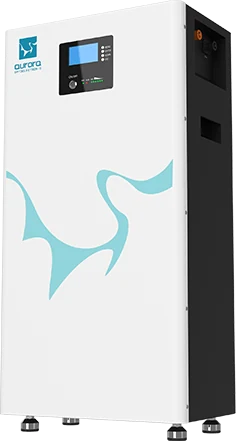 18 panels1 × 12kW1 × 15kWh
- SRNE 12kW hybrid
- 11.2 kWp of solar (18 panels)
- 15 kWh battery, about 5.4 hours at 2.5 kW overnight
- Payback 1.2–2 years
- For an office, clinic or shop with a heavy daytime load: an SRNE 12kW with 18 panels and 15kWh. The SRNE pairs with a second inverter, so it can grow into a 24kVA.
18 panels1 × 12kW1 × 30kWh- SRNE 12kW hybrid
- 11.2 kWp of solar (18 panels)
- 30 kWh battery, about 10.8 hours at 2.5 kW overnight
- Payback 1.5–2.5 years
- For a 4-bedroom home with 3 ACs: Lite's panels and inverter with 30kWh, so 2 ACs run through the night.
24 panels1 × 12kW1 × 30kWh- SRNE 12kW hybrid
- 14.9 kWp of solar (24 panels)
- 30 kWh battery, about 10.8 hours at 2.5 kW overnight
- Payback 1.2–2.1 years
- Pro's 30kWh with 6 more panels, for a home or office that uses a lot in the day and wants the battery full by evening, even on cloudy days.
Installed prices for an outright purchase, as of November 2026. Product photos show the equipment used; the counts are on each picture.
Ideal For
4-bedroom home with 3–4 ACs, or an office, clinic or shop with a heavy daytime load, in Lagos
Office, clinic or shop that works in the day and wants the generator off during business hours (Lite)
4-bedroom home with 3 ACs that wants 2 of them running through the night (Pro)
Home or office with a big daytime load: pump, cooking, several ACs (Max)
Home or office currently running a 10–15kVA generator 8–12 hours a day
Buyer who wants one inverter now and the option of a second later (the SRNE runs in parallel)
What This System Powers
3 units (1.5HP) together
Carries 3 split units plus the base load in sunshine hours. Lite keeps 1 running into the night; Pro and Max keep 2 running through the night.
1 fridge and 1 freezer around the clock, or 2 fridges
Full property LED lighting inside and out
5–6 ceiling fans
3–4 TVs and 6–8 laptops or workstations
1HP borehole pump: yes, several runs a day
Yes, 1–2 loads a day
Three-phase equipment or continuous loads above 11kW. If the load grows, a second SRNE 12kW can be added in parallel.
Battery Autonomy
Overnight Scenario
At a typical night-time load of 2.5kW (1–2 ACs, fridge and lights), Lite's 15kWh runs for about 5.4 hours, Pro's 30kWh runs for about 10.8 hours and Max's 30kWh runs for about 10.8 hours.
System Specifications
| Solar Array | 14.9 kWp |
| Panels | 24 × Jinko Tiger Neo 620W N-type panel |
| Inverter | 12 kVA: SRNE 12kW hybrid |
| Phase | Single-phase |
| Battery Capacity | 30 kWh: Aurora 30kWh LiFePO₄ |
| Battery Chemistry | LiFePO₄ |
| Battery Cycle Life | 7-year warranty, over 6,000 cycles at 90% depth of discharge |
| Usable Battery Capacity | 27 kWh |
| Daily Solar Generation | 57 kWh |
| Monthly Generation | 1710 kWh |
| Solar Utilisation | 75% |
| Roof Space Needed | About 67 m² |
| Monitoring | InfraSol real-time remote monitoring platform |
Parts and Datasheets
- Jinko Tiger Neo 620W N-type panelJinko datasheet
- SRNE 12kW hybridSRNE datasheet
- Aurora 15kWh LiFePO₄Datasheet on request
- Aurora 30kWh LiFePO₄Datasheet on request
Financial Payback
Savings are the solar energy a system produces and the customer uses, valued at what that energy costs them today. Output is 1,397kWh per kWp a year, the Lagos figure for a well-oriented, unshaded array after system losses; we count 75% of it as used in homes and 90% in businesses, and give the battery no credit for charging from the grid, so the payback is conservative. Generator fuel is derived rather than assumed: litres/hour ≈ 0.25 × kW drawn + 0.037 × rated kVA, at ₦1,920/litre. The second term is fixed burn proportional to the set's size whether or not anything is plugged in, which is why an oversized generator costs more per kWh than one that is worked hard. Most Lagos generators run at 40–70% of rating; across that band fuel alone costs ₦607–₦702/kWh on a well-maintained engine, about ₦640/kWh at a typical 55% load, and around ₦800/kWh on a worn, lightly loaded one. Servicing, overhaul, managed-power premiums and diesel theft add another ₦60–₦120/kWh, which is what takes generator power past ₦700/kWh all-in. Band A grid is taken at ₦210/kWh. Conservative (₦366/kWh blended avoided cost): Band A home, 14–18 hours of mains, load weighted to the evening. Base case (₦531/kWh): Band B/C small business, roughly 10 hours of mains, mid-life generator. Optimistic (₦625/kWh): Band C/D commercial site with minimal grid and heavy daytime load. The more of your consumption falls in daylight hours, the faster the payback.
The Diesel Reality
A 12kVA generator running 10 hours a day burns roughly 420–640 litres of diesel a month, depending on how hard it is worked. At ₦1,920 a litre that is ₦810k–₦1.2M a month in fuel alone, before servicing, oil changes and the diesel that goes missing. This system takes the daytime load off the generator and the battery carries the evening.
Already on Band A?
Band A customers on ₦210/kWh still benefit, and not only from the panels. Cheap mains is still worth storing: charged from the grid, the battery delivers energy at ₦239/kWh after round-trip losses, against ₦640–₦675/kWh in generator fuel alone, and more once servicing and theft are counted. The battery is an asset whether or not the sun is out. It arbitrages your cheapest supply against your most expensive one, and it removes diesel from overnight loads regardless of your tariff band.
Real-Time Remote Monitoring
Every InfraSol 12kVA includes InfraSol's real-time remote monitoring platform. Track solar generation, battery state-of-charge, grid usage, and system health from your phone, 24/7. Automated fault alerts and monthly energy intelligence reports included.
Learn more about our monitoringReady to eliminate your diesel costs?
Get a free site assessment and see exactly what the InfraSol 12kVA would save you every month.
Also available via Lease-to-Own (50% down, then 3–6 monthly payments) or Energy as a Service (flat monthly fee). View financing options