Solar for a Hotel, Hospital, Factory or Office Building
Lite ₦33.8M · Pro ₦44.7M · Max ₦48.4M
Compare every 50kVA system and price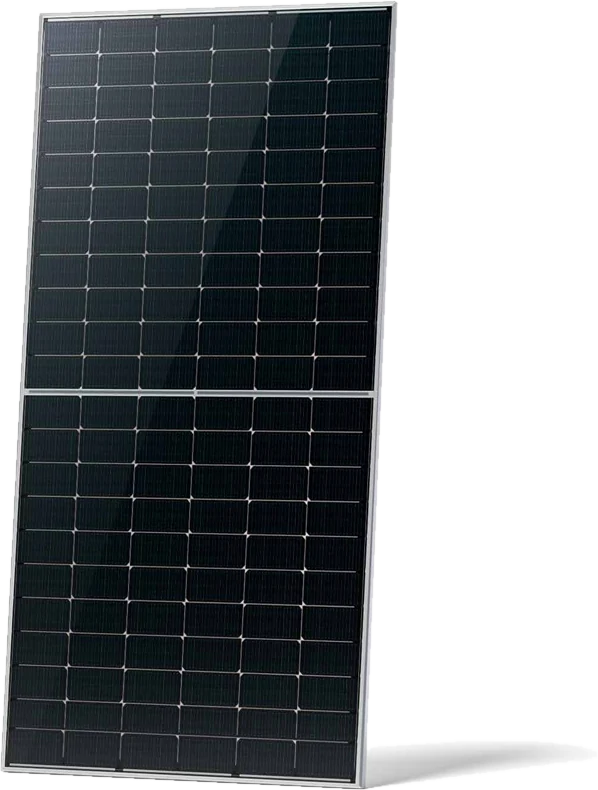
 80 panels5 × 10kW5 × 30kWh
Three ways to buy the InfraSol 50kVA
Lite is the cheapest way in. Pro adds battery. Max adds panels. You can add panels and battery later.
 60 panels5 × 10kW5 × 15kWh
- 5 × SRNE 10kW hybrid
- 37.2 kWp of solar (60 panels)
- 75 kWh battery, about 5.6 hours at 12 kW overnight
- Payback 1.2–2 years
- For a large office, bank branch or day-shift factory: five SRNE 10kW, 60 panels and 75kWh.
60 panels5 × 10kW5 × 30kWh- 5 × SRNE 10kW hybrid
- 37.2 kWp of solar (60 panels)
- 150 kWh battery, about 11.3 hours at 12 kW overnight
- Payback 1.6–2.6 years
- For a hotel or guest house running 24 hours: Lite's panels with 150kWh, so 8–10 ACs run through the night.
80 panels5 × 10kW5 × 30kWh- 5 × SRNE 10kW hybrid
- 49.6 kWp of solar (80 panels)
- 150 kWh battery, about 11.3 hours at 12 kW overnight
- Payback 1.3–2.1 years
- For a hospital, big clinic, factory or water plant: Pro's 150kWh with 20 more panels.
Installed prices for an outright purchase, as of November 2026. Product photos show the equipment used; the counts are on each picture.
Ideal For
Hotel, hospital, factory, water plant or office building running a 40–60kVA generator
Large office or bank branch on a poor grid, spending about ₦2M a month on fuel and NEPA (Lite)
Factory or water plant on a day shift (Lite, or Max for the full day)
Hotel or guest house of about 15 rooms running 24 hours, spending ₦2.1–2.2M a month (Pro)
Hospital or big clinic running 24 hours, spending about ₦2.7M a month (Max)
Institution looking at Energy as a Service: no upfront capital, a monthly tariff
What This System Powers
12–20 units (1.5HP), or a mixed commercial load
Five inverters in parallel share the load.
Commercial cold storage around the clock
Full building lighting including outdoor and perimeter
All
Workstations, servers, labs and building systems
Multiple pumps up to 3HP
Commercial laundry: yes, within the inverter rating
Three-phase motors and lifts need a load audit first. Above 50kVA we design high-voltage systems individually.
Battery Autonomy
Overnight Scenario
At a typical night-time load of 12kW (cold storage, security, corridors and occupied rooms), Lite's 75kWh runs for about 5.6 hours, Pro's 150kWh runs for about 11.3 hours and Max's 150kWh runs for about 11.3 hours.
Watch a Day on This System
The 50kVA in 3D, hour by hour, with NEPA off all day. Watch the sun charge the battery, the battery carry the night, and see when, if ever, the generator has to start. Pick a kind of day to see how it copes when the sun is weak.
System Specifications
| Solar Array | 49.6 kWp |
| Panels | 80 × Jinko Tiger Neo 620W N-type panel |
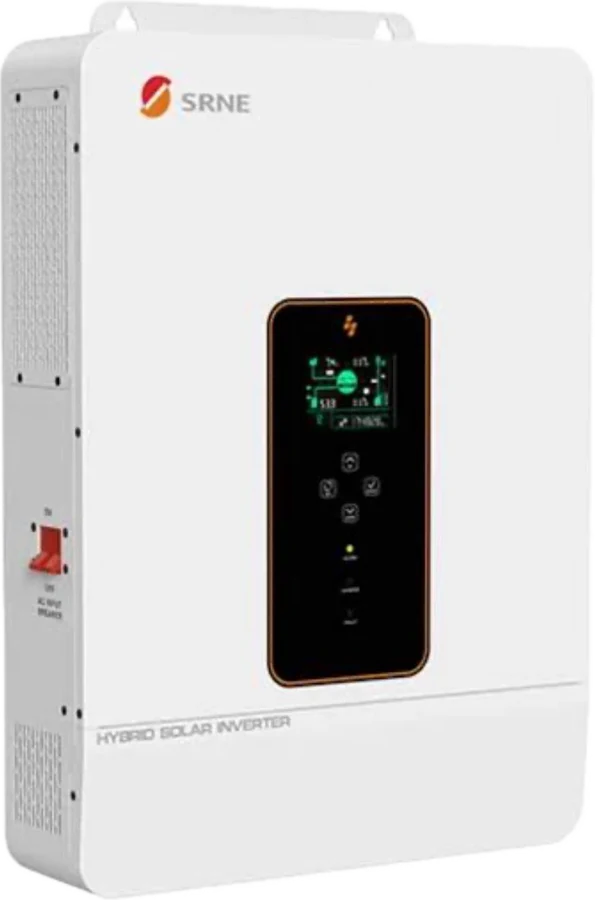
| Inverter | 50 kVA: 5 × SRNE 10kW hybrid |
| Phase | Single-phase (five inverters in parallel); three-phase sites are designed on survey |
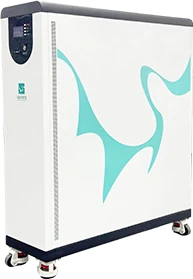
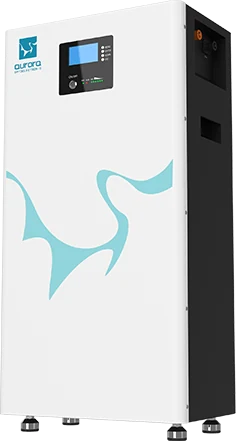
| Battery Capacity | 150 kWh: 5 × Aurora 30kWh LiFePO₄ |
| Battery Chemistry | LiFePO₄ |
| Battery Cycle Life | 7-year warranty, over 6,000 cycles at 90% depth of discharge |
| Usable Battery Capacity | 135 kWh |
| Daily Solar Generation | 189.8 kWh |
| Monthly Generation | 5694 kWh |
| Solar Utilisation | 90% |
| Roof Space Needed | About 224 m² |
| Monitoring | InfraSol real-time remote monitoring platform |
Financial Payback
Savings are the solar energy a system produces and the customer uses, valued at what that energy costs them today. Output is 1,397kWh per kWp a year, the Lagos figure for a well-oriented, unshaded array after system losses; we count 75% of it as used in homes and 90% in businesses, and give the battery no credit for charging from the grid, so the payback is conservative. Generator fuel is derived rather than assumed: litres/hour ≈ 0.25 × kW drawn + 0.037 × rated kVA, at ₦1,920/litre. The second term is fixed burn proportional to the set's size whether or not anything is plugged in, which is why an oversized generator costs more per kWh than one that is worked hard. Most Lagos generators run at 40–70% of rating; across that band fuel alone costs ₦607–₦702/kWh on a well-maintained engine, about ₦640/kWh at a typical 55% load, and around ₦800/kWh on a worn, lightly loaded one. Servicing, overhaul, managed-power premiums and diesel theft add another ₦60–₦120/kWh, which is what takes generator power past ₦700/kWh all-in. Band A grid is taken at ₦210/kWh. Conservative (₦366/kWh blended avoided cost): Band A home, 14–18 hours of mains, load weighted to the evening. Base case (₦531/kWh): Band B/C small business, roughly 10 hours of mains, mid-life generator. Optimistic (₦625/kWh): Band C/D commercial site with minimal grid and heavy daytime load. The more of your consumption falls in daylight hours, the faster the payback.
The Diesel Reality
A 50kVA generator running 14 hours a day burns roughly 2,460–3,720 litres of diesel a month, depending on how hard it is worked. At ₦1,920 a litre that is ₦4.7M–₦7.1M a month in fuel alone, before servicing, oil changes and the diesel that goes missing. Ask about lease-to-own or Energy as a Service if you would rather not pay up front.
Already on Band A?
Band A businesses still benefit. The array carries daytime operations, when a business draws most of its power, and the battery covers outages and the evening tail instead of the generator. Charged from Band A mains, stored energy costs about ₦239/kWh against ₦640/kWh or more from diesel.
Real-Time Remote Monitoring
Every InfraSol 50kVA includes InfraSol's real-time remote monitoring platform. Track solar generation, battery state-of-charge, grid usage, and system health from your phone, 24/7. Automated fault alerts and monthly energy intelligence reports included.
Learn more about our monitoringReady to eliminate your diesel costs?
Get a free site assessment and see exactly what the InfraSol 50kVA would save you every month.
Also available via Lease-to-Own (30–40% down, then 3, 6 or 12 monthly payments) or Energy as a Service (flat monthly fee). View financing options