Three-Phase Solar on One Deye 20kW Inverter
Lite ₦15.7M · Pro ₦20M · Max ₦20.8M
Compare every 20kVA system and priceOr pay ₦7,835,000 down, then 6 monthly payments of ₦1,541,000 (lease-to-own).
- Free site survey
- Written quotation
- Jinko panels + lithium battery
- Installed and monitored
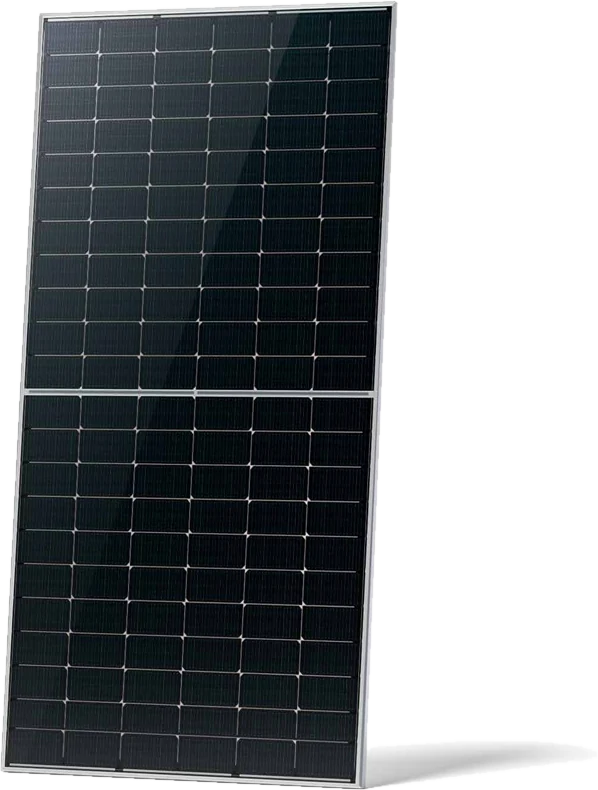
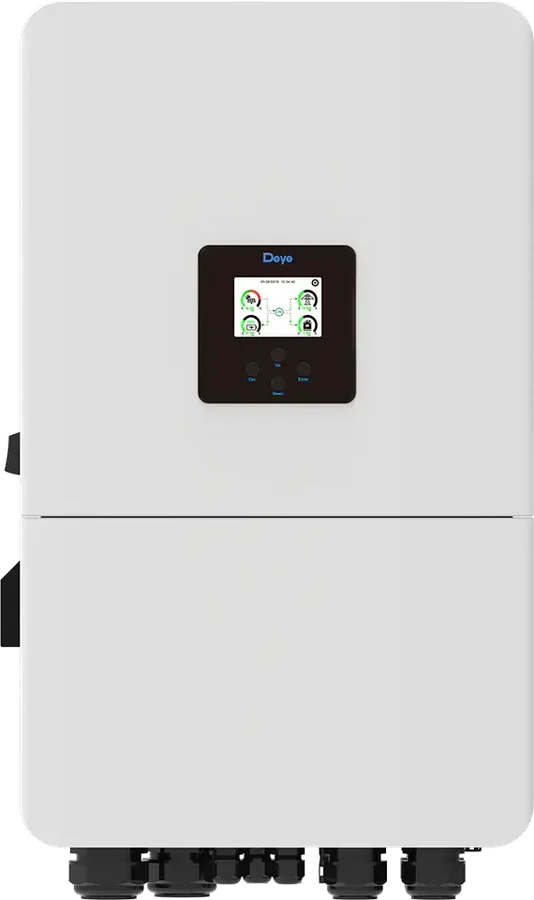
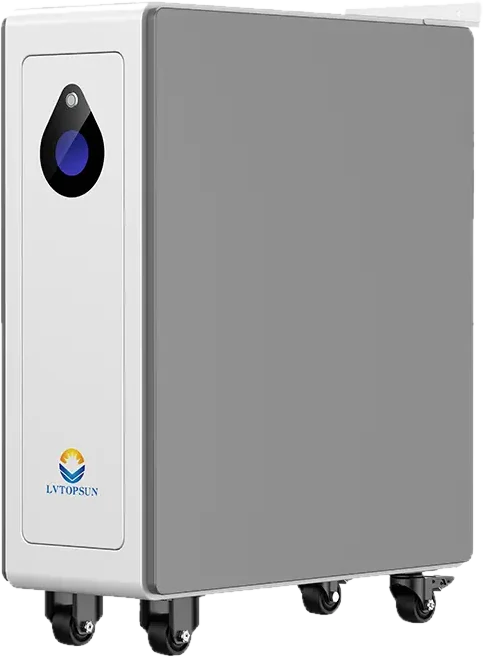 40 panels1 × 20kW2 × 32kWh
Watch a Day on This System
The 20kVA Deye Three-Phase in 3D, hour by hour, with NEPA off all day. Watch the sun charge the battery, the battery carry the night, and see when, if ever, the generator has to start. Switch between a home and a business to see the load each one puts on it and what the same day would cost on diesel, or pick a kind of day to see how it copes when the sun is weak.
Three ways to buy the InfraSol 20kVA Deye Three-Phase
Lite is the cheapest way in. Pro adds battery. Max adds panels. You can add panels and battery later.
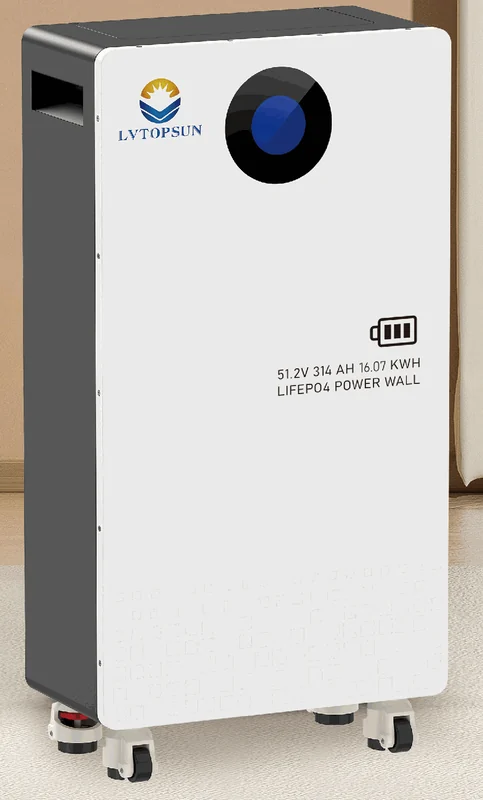 36 panels1 × 20kW2 × 16kWh
- Deye 20kW three-phase hybrid
- 22.3 kWp of solar (36 panels)
- 32 kWh battery, about 7.2 hours at 4 kW overnight
- Payback 0.9–1.5 years
- For an office, school, clinic or workshop on a three-phase supply: one Deye 20kW three-phase, 36 panels and 32kWh.
36 panels1 × 20kW2 × 32kWh- Deye 20kW three-phase hybrid
- 22.3 kWp of solar (36 panels)
- 64 kWh battery, about 14.4 hours at 4 kW overnight
- Payback 1.2–2 years
- For a large home on three-phase, or a business open into the night: Lite's inverter and panels with 64kWh.
40 panels1 × 20kW2 × 32kWh- Deye 20kW three-phase hybrid
- 24.8 kWp of solar (40 panels)
- 64 kWh battery, about 14.4 hours at 4 kW overnight
- Payback 1.1–1.8 years
- Pro's 64kWh with 4 more panels, for a site with a heavy daytime load that wants the battery full by evening even on cloudy days.
Installed prices for an outright purchase, as of November 2026. Product photos show the equipment used; the counts are on each picture.
Ideal For
Office, school, clinic, workshop or large home on a three-phase supply, running a 20–30kVA generator
Office, school or clinic on three-phase that works in the day (Lite)
Workshop or small factory with three-phase motors, pumps or machines (Lite or Max)
Large home on a three-phase supply with 6–8 ACs, or a business open into the night (Pro)
Site that wants one balanced three-phase inverter instead of three single-phase units
Household or business replacing a 20–30kVA generator
What This System Powers
6–8 units (1.5HP) in the day; 2 at night on Lite, 3–4 on Pro and Max
One three-phase inverter feeds all three phases, so three-phase equipment runs as it does on the grid.
Cold rooms, chillers and freezers around the clock
Full premises lighting inside and out
All
20–40 workstations, servers and network equipment
Three-phase pumps up to 3HP: yes
Yes, including small commercial machines
Lifts, welding plant and large motors. These need a load audit first; a second Deye can be added in parallel.
Battery Autonomy
Overnight Scenario
At a typical night-time load of 4kW (fridges, CCTV, security lights and 2 ACs), Lite's 32kWh runs for about 7.2 hours, Pro's 64kWh runs for about 14.4 hours and Max's 64kWh runs for about 14.4 hours.
System Specifications
| Solar Array | 24.8 kWp |
| Panels | 40 × Jinko Tiger Neo 620W N-type panel |
| Inverter | 20 kVA: Deye 20kW three-phase hybrid |
| Phase | Three-phase |
| Battery Capacity | 64 kWh: 2 × LVTopsun 32kWh LiFePO₄ |
| Battery Chemistry | LiFePO₄ |
| Battery Cycle Life | Warranty confirmed on your quotation |
| Usable Battery Capacity | 57.6 kWh |
| Daily Solar Generation | 94.9 kWh |
| Monthly Generation | 2847 kWh |
| Solar Utilisation | 90% |
| Roof Space Needed | About 112 m² |
| Monitoring | InfraSol real-time remote monitoring platform |
Parts and Datasheets
- Jinko Tiger Neo 620W N-type panelJinko datasheet
- Deye 20kW three-phase hybridDeye datasheet
- LVTopsun 16kWh G3 LiFePO₄Datasheet on request
- LVTopsun 32kWh LiFePO₄Datasheet on request
Single-Phase or Three-Phase?
Look at your meter and your changeover. Three live wires coming in (red, yellow and blue) and a three-phase meter mean Eko or Ikeja Electric supplies you on three-phase. One live wire and a single-phase meter mean single-phase.
You need a three-phase inverter when something in the building runs on three-phase: a borehole or pressure pump with a three-phase motor, a standing AC above 3HP, a lift, a cold room, a commercial kitchen or workshop machines. A single-phase inverter cannot start those. You also want it when the load is too big for one phase to carry, roughly above 15–20kW, because three phases share the load.
Single-phase is enough when everything you run plugs into a normal socket: split ACs, fridges, a single-phase pump, lights and electronics. Many three-phase houses only use the three phases to spread ordinary sockets. Those homes can put solar on single-phase and move the circuits that matter onto it, which costs less.
A three-phase hybrid such as the Deye SG05LP3 feeds all three phases from one unit and keeps them balanced. Putting one single-phase inverter on each phase also works, but each phase then has its own battery limit, and three-phase motors still will not run.
Financial Payback
Savings are the solar energy a system produces and the customer uses, valued at what that energy costs them today. Output is 1,397kWh per kWp a year, the Lagos figure for a well-oriented, unshaded array after system losses; we count 75% of it as used in homes and 90% in businesses, and give the battery no credit for charging from the grid, so the payback is conservative. Generator fuel is derived rather than assumed: litres/hour ≈ 0.25 × kW drawn + 0.037 × rated kVA, at ₦1,920/litre. The second term is fixed burn proportional to the set's size whether or not anything is plugged in, which is why an oversized generator costs more per kWh than one that is worked hard. Most Lagos generators run at 40–70% of rating; across that band fuel alone costs ₦607–₦702/kWh on a well-maintained engine, about ₦640/kWh at a typical 55% load, and around ₦800/kWh on a worn, lightly loaded one. Servicing, overhaul, managed-power premiums and diesel theft add another ₦60–₦120/kWh, which is what takes generator power past ₦700/kWh all-in. Band A grid is taken at ₦210/kWh. Conservative (₦366/kWh blended avoided cost): Band A home, 14–18 hours of mains, load weighted to the evening. Base case (₦531/kWh): Band B/C small business, roughly 10 hours of mains, mid-life generator. Optimistic (₦625/kWh): Band C/D commercial site with minimal grid and heavy daytime load. The more of your consumption falls in daylight hours, the faster the payback.
The Diesel Reality
A 25kVA generator running 10 hours a day burns roughly 880–1,330 litres of diesel a month, depending on how hard it is worked. At ₦1,920 a litre that is ₦1.7M–₦2.6M a month in fuel alone, before servicing, oil changes and the diesel that goes missing. This system moves the working day onto solar and covers outages from the battery.
Already on Band A?
Band A businesses still benefit. The array carries daytime operations, when a business draws most of its power, and the battery covers outages and the evening tail instead of the generator. Charged from Band A mains, stored energy costs about ₦239/kWh against ₦640/kWh or more from diesel.
Real-Time Remote Monitoring
Every InfraSol 20kVA Deye Three-Phase includes InfraSol's real-time remote monitoring platform. Track solar generation, battery state-of-charge, grid usage, and system health from your phone, 24/7. Automated fault alerts and monthly energy intelligence reports included.
Learn more about our monitoringReady to eliminate your diesel costs?
Get a free site assessment and see exactly what the InfraSol 20kVA Deye Three-Phase would save you every month.
Also available via Lease-to-Own (50% down, then 3–6 monthly payments) or Energy as a Service (flat monthly fee). View financing options