20kVA Solar System Price in Nigeria (2026)
A complete 20kVA solar system from InfraSol starts at ₦13.9M installed (up to ₦20.8M), as of November 2026. The InfraSol 20kVA comes as Lite (2 × SRNE 10kW hybrid, 14.9kWp of panels, 30kWh of LiFePO₄ battery) at ₦13.9M, Pro (2 × SRNE 10kW hybrid, 14.9kWp of panels, 60kWh of LiFePO₄ battery) at ₦18.6M, Max (2 × SRNE 10kW hybrid, 19.8kWp of panels and 60kWh of LiFePO₄ battery) at ₦20M. Next size up: the InfraSol 20kVA Deye Three-Phase comes as Lite (Deye 20kW three-phase hybrid, 22.3kWp of panels, 32kWh of LiFePO₄ battery) at ₦15.7M, Pro (Deye 20kW three-phase hybrid, 22.3kWp of panels, 64kWh of LiFePO₄ battery) at ₦20M, Max (Deye 20kW three-phase hybrid, 24.8kWp of panels and 64kWh of LiFePO₄ battery) at ₦20.8M.
Or pay ₦6,974,000 down, then 6 monthly payments of ₦1,372,000 (lease-to-own).
- Free site survey
- Written quotation
- Jinko panels + lithium battery
- Installed and monitored
Quick answer: what a 20kVA solar system needs
- Panels
- 24–32 Jinko 620W panels (14.9–19.8kWp)
- Battery
- 30–60kWh of lithium (LiFePO₄)
- Inverter
- 2 × SRNE 10kW hybrid
- Runs
- Air conditioners: 4–6 units (1.5HP) together in the day; 2 at night on Lite, 3–4 on Pro and Max, plus fridges, lights, TVs and fans
- Price
- ₦13.9M–₦20M installed
Prices as of November 2026, from the InfraSol 20kVA (Lite, Pro, Max).
20kVA solar system prices
Every system we build at this size. Lite is the cheapest way in. Pro adds battery. Max adds panels. You can add panels and battery later. Your final price is confirmed on a written quotation after a site survey.
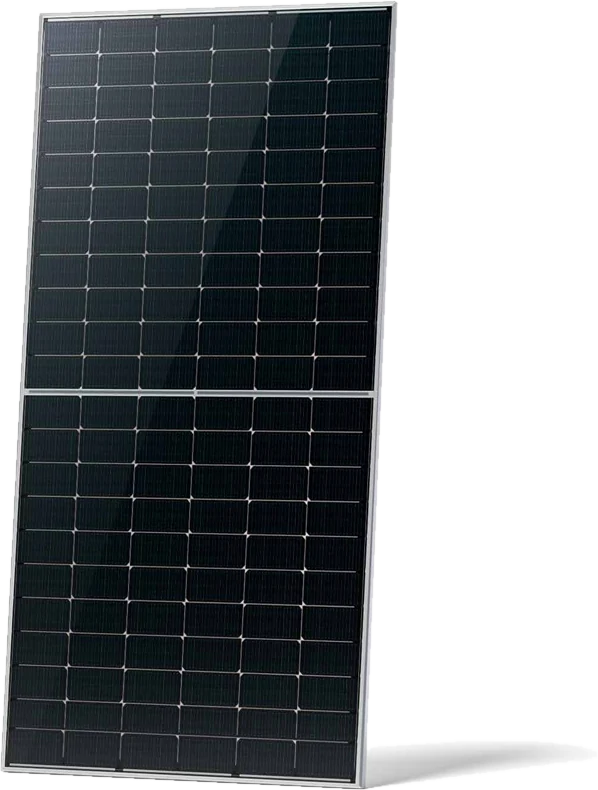
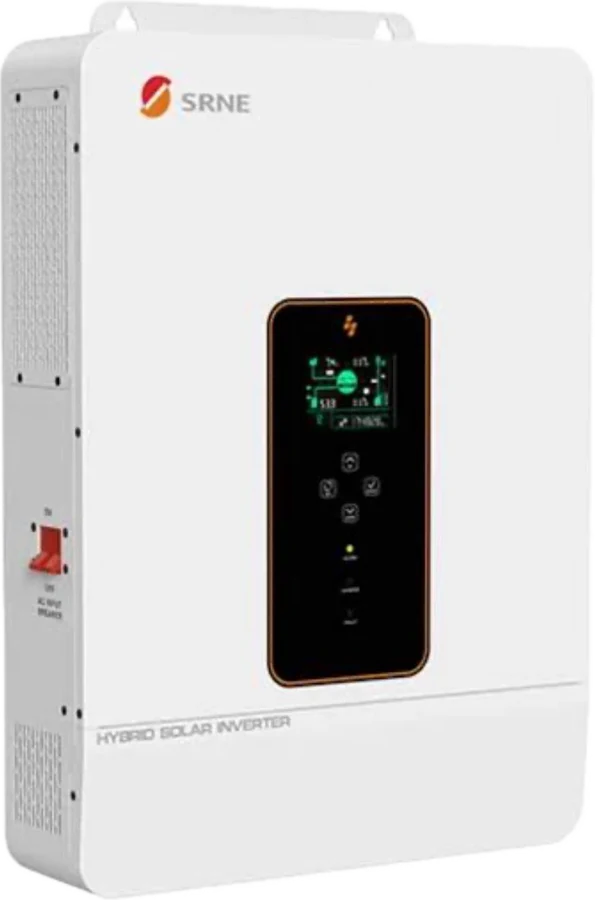
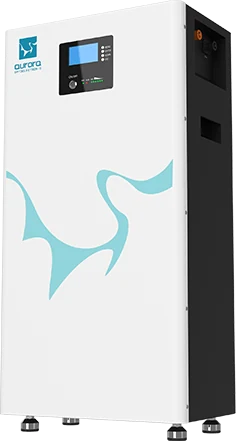 32 panels2 × 10kW4 × 15kWh
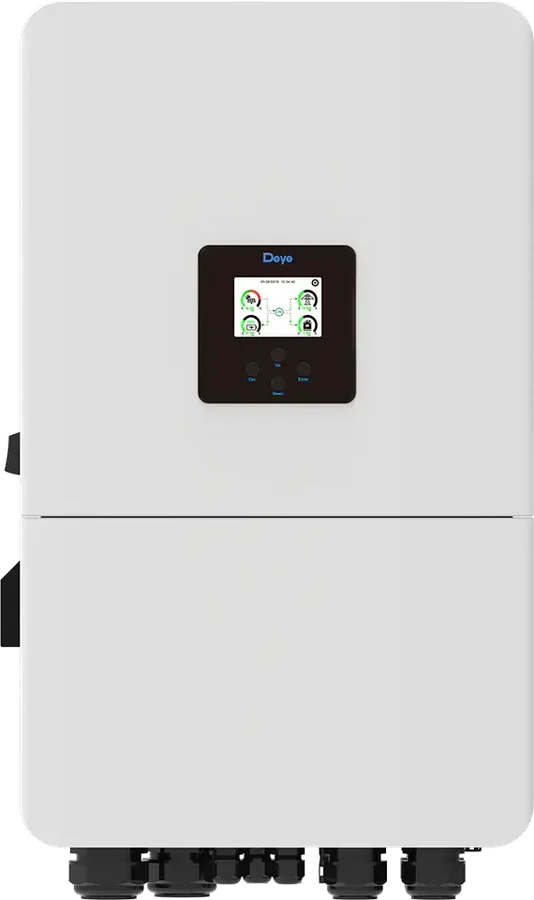
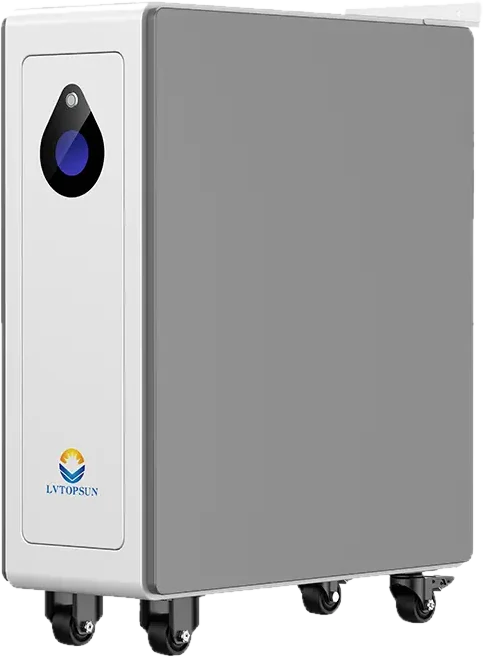 40 panels1 × 20kW2 × 32kWh
| System | Price | Battery | Panels | Payback |
|---|---|---|---|---|
| InfraSol 20kVA Lite2 × SRNE 10kW hybrid | ₦13.9M | 30 kWh | 14.9 kWp | 1.4–2.5 years |
| InfraSol 20kVA Pro2 × SRNE 10kW hybrid | ₦18.6M | 60 kWh | 14.9 kWp | 1.9–3.3 years |
| InfraSol 20kVA Max2 × SRNE 10kW hybrid | ₦20M | 60 kWh | 19.8 kWp | 1.6–2.7 years |
| InfraSol 20kVA Deye Three-Phase LiteDeye 20kW three-phase hybrid | ₦15.7M | 32 kWh | 22.3 kWp | 0.9–1.5 years |
| InfraSol 20kVA Deye Three-Phase ProDeye 20kW three-phase hybrid | ₦20M | 64 kWh | 22.3 kWp | 1.2–2 years |
| InfraSol 20kVA Deye Three-Phase MaxDeye 20kW three-phase hybrid | ₦20.8M | 64 kWh | 24.8 kWp | 1.1–1.8 years |
What the price includes
- Jinko Tiger Neo 620W N-type TOPCon (Tier-1) panels
- Installation
- Hybrid inverter: 2 × SRNE 10kW hybrid or Deye 20kW three-phase hybrid
- LiFePO₄ battery, 7-year warranty, over 6,000 cycles at 90% depth of discharge
- InfraSol real-time remote monitoring platform
- Automatic switching between solar, battery and grid
See the 20kVA Max in 3D
The InfraSol 20kVA Max on a Lagos roof, hour by hour through a simulated day. Press play to watch the panels charge the battery, the battery carry the night, and the generator start only if both run short. Switch between a home and a business to see the load each one puts on it and what the same day would cost on diesel, or pick a poor or worst day to see how it copes when the sun is weak.
What a 20kVA solar system can carry
Duplex with 4–8 ACs, office of 15–25 staff, clinic or lab, replacing a 15–25kVA generator.
4–6 units (1.5HP) together in the day; 2 at night on Lite, 3–4 on Pro and Max
Two inverters in parallel share the load, and the array serves daytime cooling directly.
2 fridges and 2 freezers around the clock
Full property lighting including outdoor and security lights
All
Whole-house TVs, laptops and network equipment, or 15–25 workstations
1–1.5HP borehole pump: yes
Yes, several loads a day
Three-phase motors or welding equipment. Two inverters cannot be split evenly across three phases; a three-phase site needs the 20kVA or 32kVA Deye three-phase, or the 30kVA.
How long the battery lasts at night
60kWh battery (InfraSol 20kVA)
At a typical night-time load of 4kW (2 ACs, fridges and security lights), Lite's 30kWh runs for about 6.8 hours, Pro's 60kWh runs for about 13.5 hours and Max's 60kWh runs for about 13.5 hours.
64kWh battery (InfraSol 20kVA Deye Three-Phase)
At a typical night-time load of 4kW (fridges, CCTV, security lights and 2 ACs), Lite's 32kWh runs for about 7.2 hours, Pro's 64kWh runs for about 14.4 hours and Max's 64kWh runs for about 14.4 hours.
A day on the InfraSol 20kVA Max, simulated every 15 minutes
We ran the InfraSol 20kVA Max (32 panels, 60kWh of battery) through our simulator in 15-minute steps for a typical home with 3 bedroom ACs on through the night and one in the living room using about 49kWh a day, with NEPA off all day. Even with no grid at all, the generator stays off on 365 days of the year. Any hours of NEPA top the battery up and cut the rest. Running the same day on a 10kVA diesel generator alone would burn about 21 litres, ₦40,600 a day in fuel.
| Kind of day | Days a year | Solar made | Lowest battery | Generator |
|---|---|---|---|---|
| Best sun | 184 | 94 kWh | 25% | Off all day |
| Good sun | 89 | 73 kWh | 25% | Off all day |
| Fair sun | 47 | 58 kWh | 24% | Off all day |
| Poor sun | 31 | 29 kWh | 20% | Off all day |
| Worst sun | 14 | 20 kWh | 3% | Off all day |
Who a 20kVA system is for
We build 20kVA on two SRNE 10kW inverters in parallel. The Lite has 24 panels and 30kWh of battery, which suits an office, clinic or lab whose load falls in the day. The Pro doubles the battery to 60kWh, so a duplex with 6 ACs runs 3 or 4 of them through the night. The Max adds 8 panels to the Pro for heavy daytime use and cloudy days.
Homes upgrade with battery, because the night is when they use the most. Businesses upgrade with panels, because the day is. That is why the Lite is usually enough for an office.
On a three-phase supply, the 20kVA Deye three-phase runs the whole site from one Deye 20kW inverter, so three-phase pumps and machines work as they do on the grid.
What it saves, and when it pays for itself
Monthly savings against what Lagos homes and businesses pay today for grid and diesel. The middle figure is our base case; the range runs from a Band A home to a site with little grid supply.
Your own numbers depend on your bill and how many hours of grid you get. Enter your monthly bill in the solar calculator to see the size and payback for your home or business.
Pay small small: payment plans
Lease-to-Own: 50% down, the balance over 3–6 monthly payments, and the system is yours at the end. On the ₦13.9M system that is ₦6,974,000 down and 6 payments of ₦1,371,553.
Energy as a Service: nothing upfront. A flat monthly fee of 50–60% of what you spend on power today, and we own and maintain the system.
See financing optionsCompare other sizes
Frequently asked questions
Get an exact price for your property
Tell us what you run and when. We will confirm the right size and send a written quotation.